
Glossary
Plain-language definitions of the personalization, conversion, and marketing terms used across the Triggerbee platform.
Mar 3, 2025
Weather-based marketing: What it is and how it works
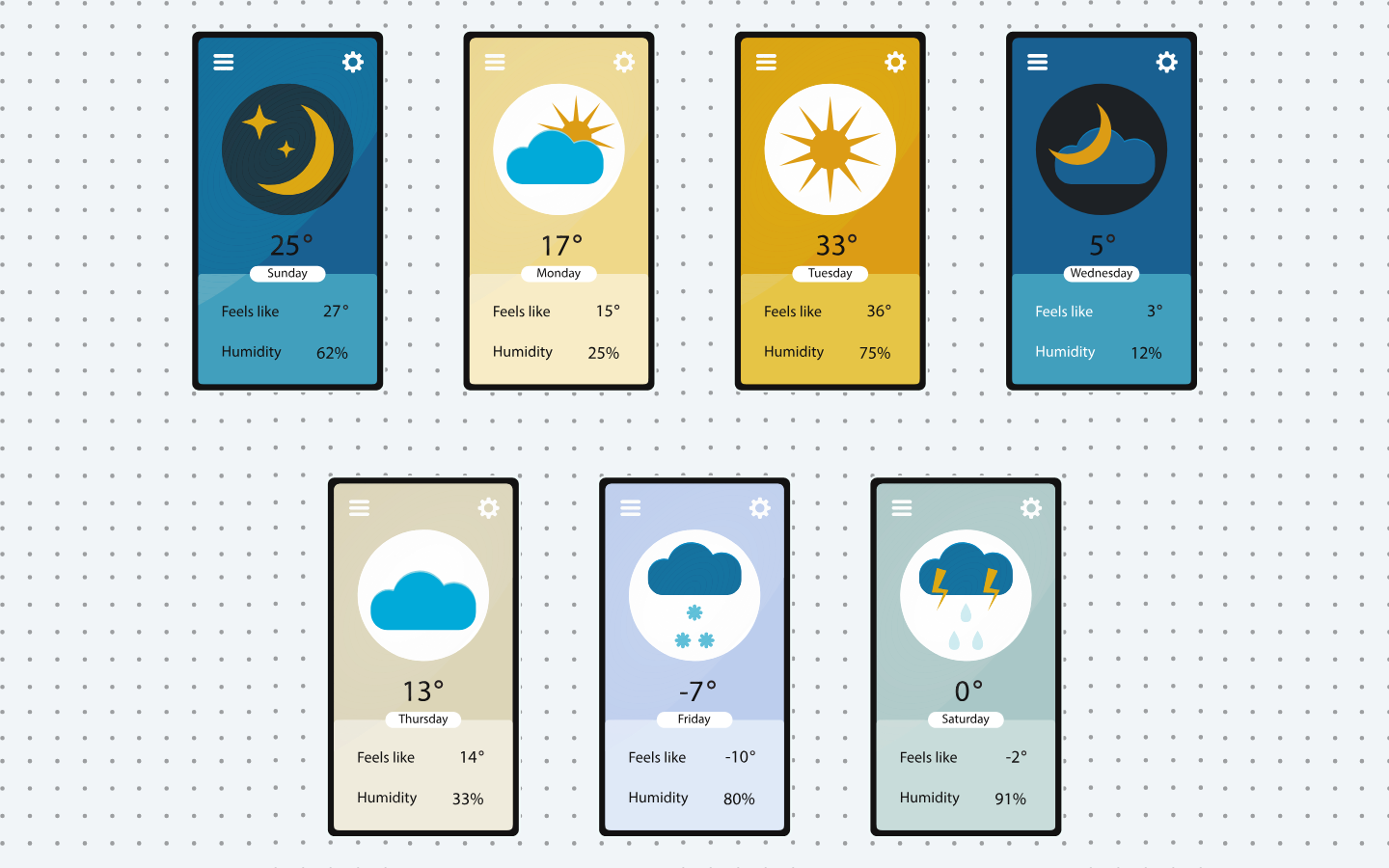
What is weather-based marketing? Weather-based marketing is a strategy that uses local weather data to tailor ads, website content, and other marketing messages. One major advantage with using weather as a trigger is that you can use both temperature and weather conditions (rainy, sunny, cloudy, etc) to tailor your messages. Weather-based marketing is one of
Feb 28, 2025
Gamification: What it is and how it works
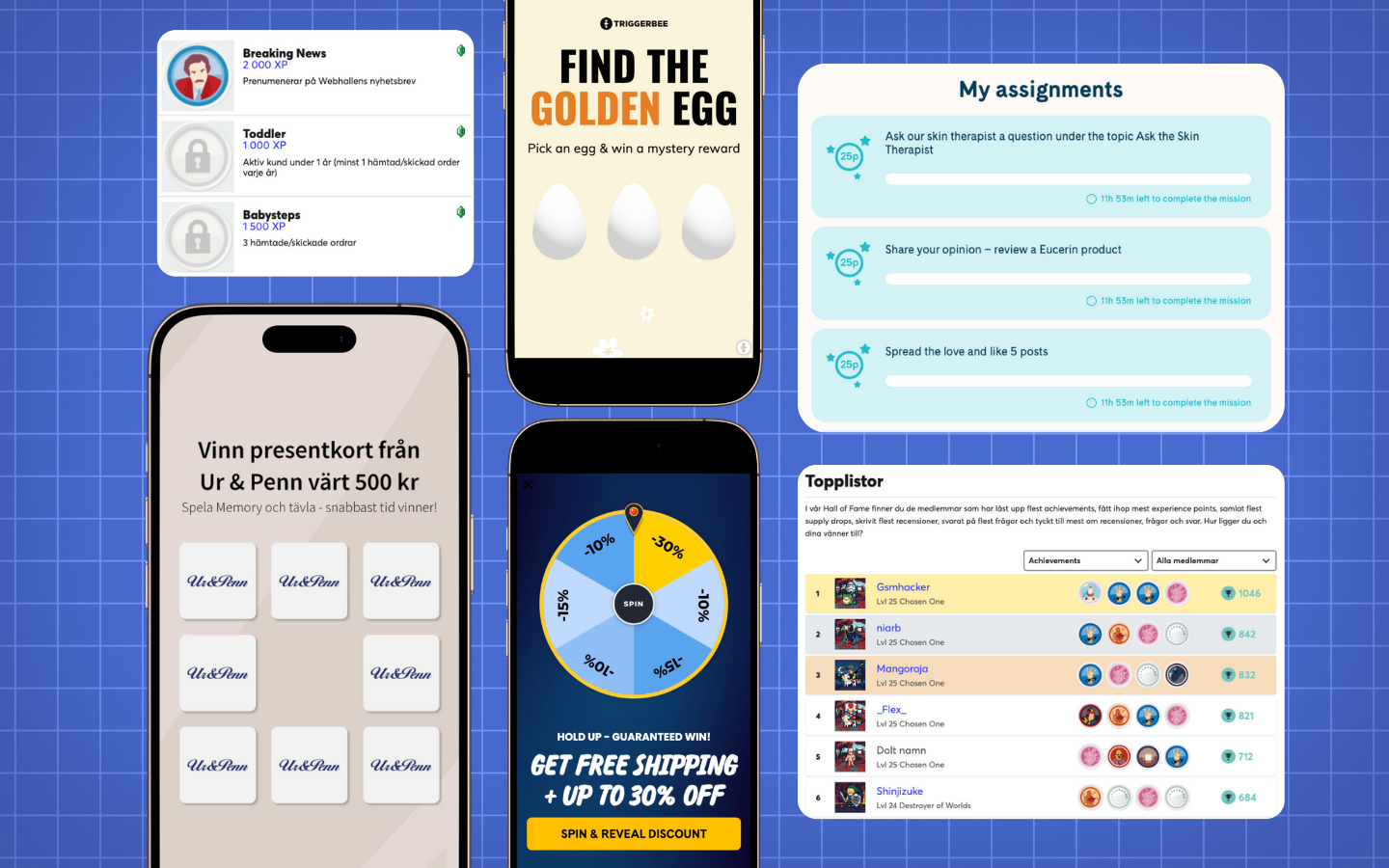
What is gamification? Gamification is one of those things you’ve seen a hundred times but might not think about. It’s everywhere. The idea of gamification is super simple. It’s to turn the regular, boring stuff into something people actually want to engage with. How does gamification work Gamification taps into core human psychology. People love
Jul 4, 2024
Customer Satisfaction Score (CSAT)
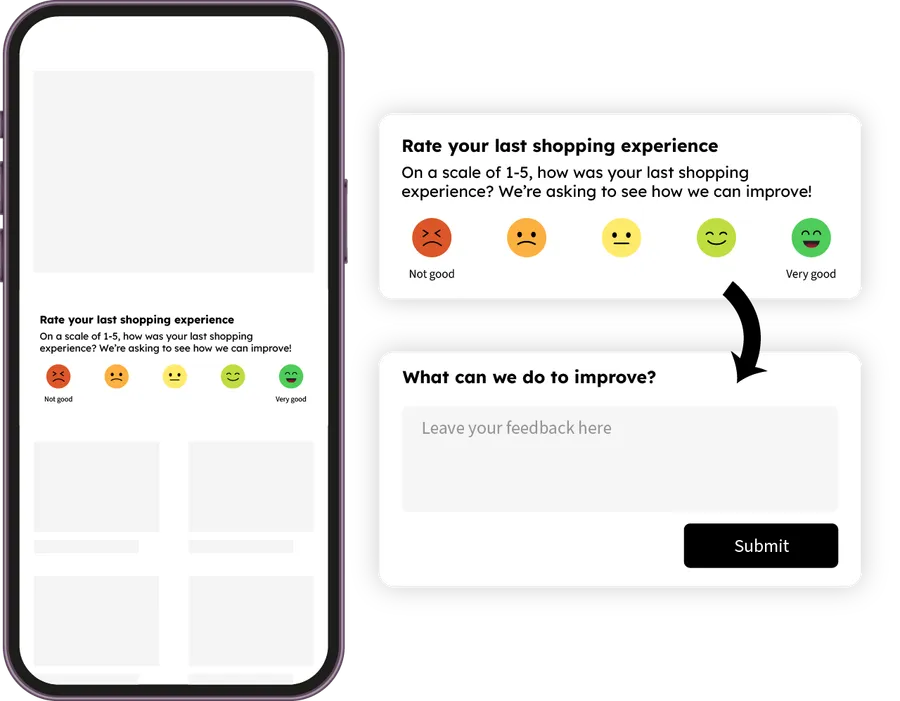
What is CSAT? CSAT is a key performance indicator (KPI) that quantifies how satisfied customers are with doing business with you. It’s typically measured by asking customers to rate their satisfaction with a specific interaction, product, or overall experience on a scale from 1 to 5, where 1 = “very dissatisfied” and 5 = “very
Jul 3, 2024
Customer experience
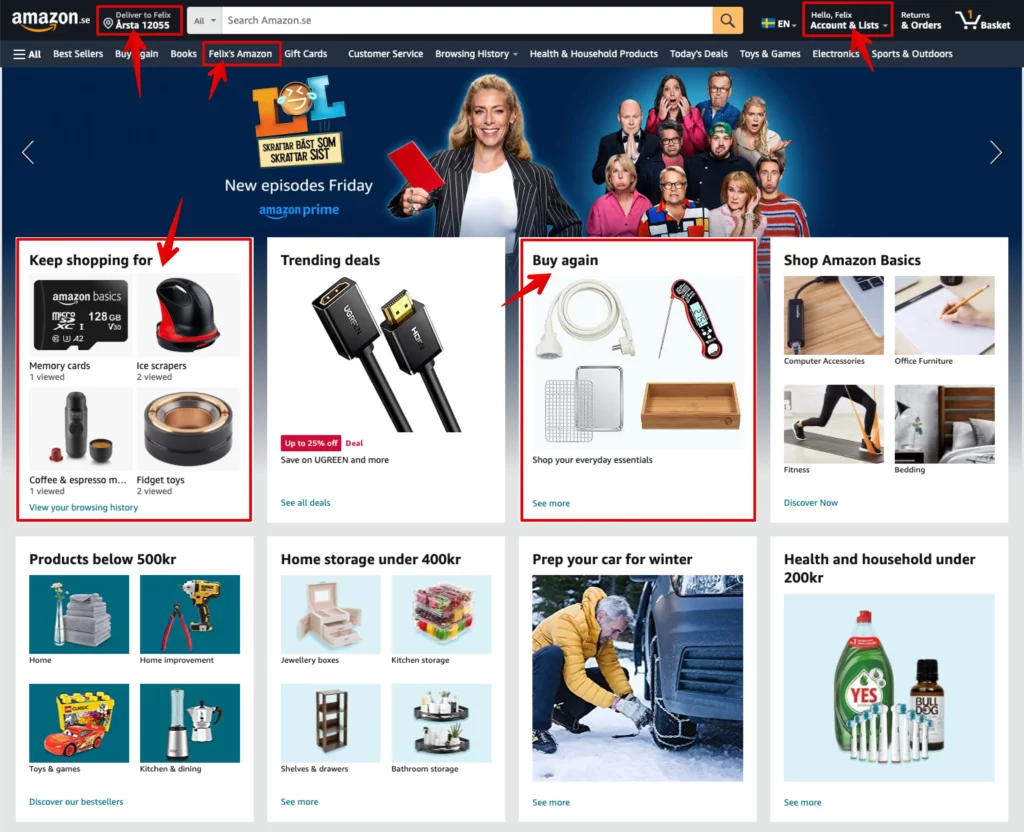
What is it? Customer experience (CX) is the overall perception and feeling a customer has as a result of interactions with a brand’s products, services, and marketing efforts at every touchpoint. It encompasses the entire customer journey, from initial contact to post-purchase support, shaping how customers view and engage with a brand. A good customer experience
Jul 3, 2024
Customer Lifetime Value
What is customer lifetime value? Customer Lifetime Value (CLV) is a metric that measures the total worth of a customer over the entire duration of their relationship with you. This metric helps you understand the long-term value of your customer base, guiding strategies for acquisition, retention, and growth. Metric Overview CLV estimates the total revenue
Jul 3, 2024
Behavioral segmentation
What is behavioral segmentation? Behavioral segmentation means grouping customers based on their online (and offline) behaviour. Your customer’s behaviour is an important criteria to consider when creating audience segments for email marketing, advertising, and onsite marketing. Your customers behaviour is highly correlated to intent (their likelihood to buy). Here are a few examples of behavioral
Jul 3, 2024
Identification rate
What is identification rate? Identification rate is the percentage of returning website visitors who have previously shared their personal information, such as an email address or phone number, with your brand. This metric is crucial for brands who are invested in personalization and enhancing customer experience, because it indicates how many of your visitors can
Mar 12, 2024
A/B testing
What is it? A/B testing, also known as split testing, is a method where two versions of a webpage, ad, email, or onsite campaign are compared against eachother to see which one performs better. By showing version A to one group of users and version B to another, you can collect data based on user
Mar 12, 2024
Above the fold
What is above the fold? “Above the Fold” refers to the part of a webpage that’s visible without scrolling. The concept of “Above the Fold” originates from the early days of print journalism. Newspapers were often displayed folded in half on newsstands, with only the top half visible to people passing by. To sell magazines,
Feb 26, 2024
Click-through rate (CTR)
What is Click-Through Rate (CTR)? Click-Through Rate (in short: CTR) is an important metric in digital marketing that measures the effectiveness of marketing campaigns, onsite campaigns and email marketing campaigns. It represents the ratio of users who click on a link to the number of total users who view a page, email, or ad. CTR
Feb 26, 2024
First-party data
What is first-party data? First-party data refers to the information that companies collect from their own sources without intermediaries. This includes data from website visits, app usage, social media interactions, and direct customer feedback. It’s unique to each business and provides deep insights into customer behavior and preferences. Advertising (mainly remarketing in this context), behavioral
Feb 26, 2024
Onsite Marketing
What is Onsite Marketing? Onsite marketing refers to the activities and strategies that marketers use to engage, convert and monetize their existing website traffic. Here are some examples of onsite marketing activities: E-commerce quizzes Loyalty program sign up offers Product page countdowns New customer offers “Welcome back” messages Cart abandonment popup offers Login nudges Onsite
Feb 26, 2024
Zero-Party Data
What is Zero-Party Data? Zero-party data is all the data that your target audience intentionally shares with you to tailor their experience. It can be anything from communication preferences (frequency, channel), how they want to be recognized, to their favorite brands. The biggest difference between zero-party data and (almost) all other data is that the